
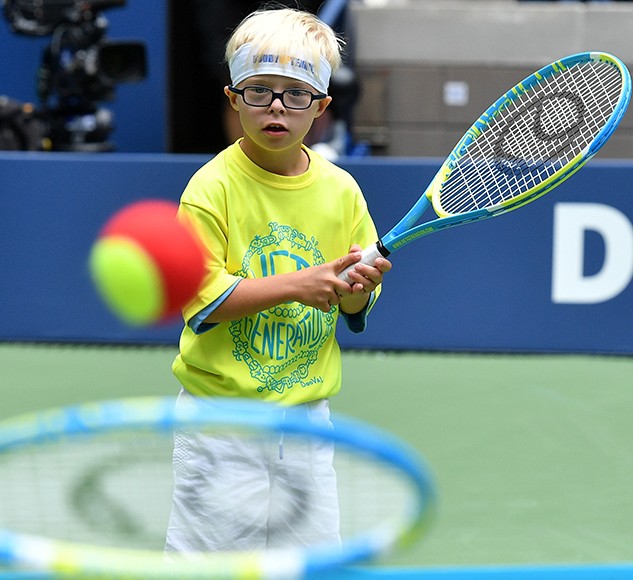
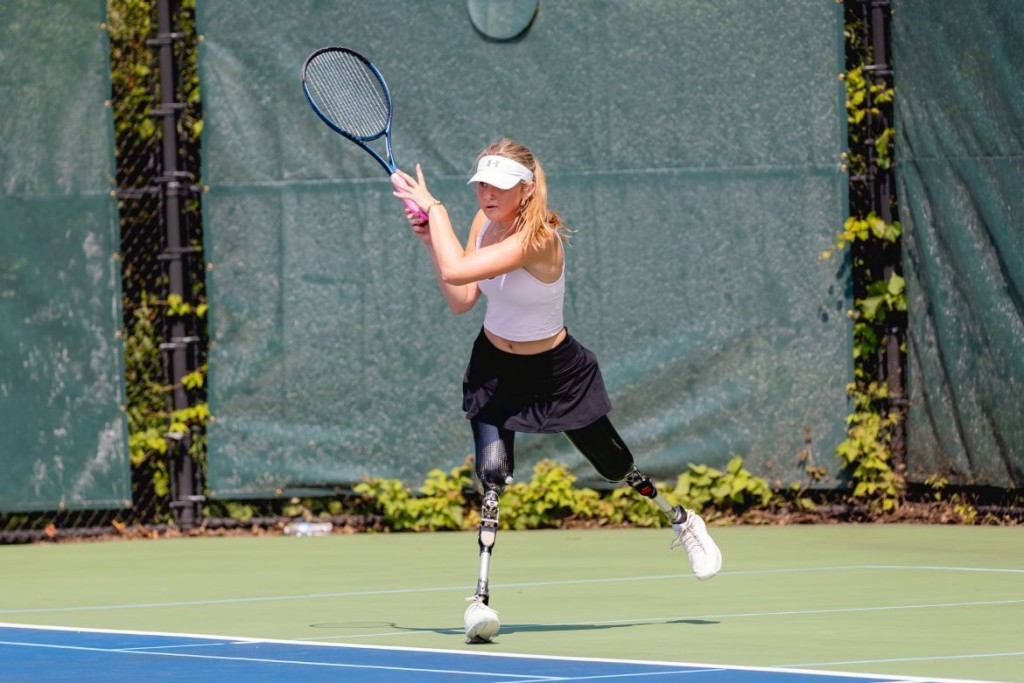
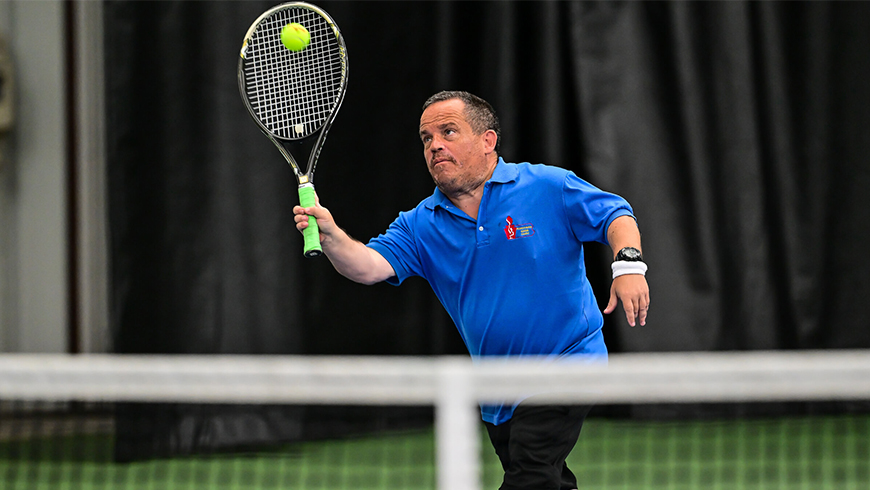
Tennis can be a great fit for children with disabilities.
According to recent studies, children with disabilities are 4.5 times less likely to engage in physical activity compared to their peers. This gap is often caused by barriers facing the child, the family, and the recreational personnel. However, tennis offers a unique, flexible solution to bridge this gap and provide meaningful engagement.
At the Cleveland S. Johnson Foundation, we believe in the power of inclusive recreation. Below is the specialized framework for how tennis serves as a vital tool for the physical and social development of children with disabilities.
Why Tennis Works
Tennis is a cooperative, non-contact sport that requires fewer participants than traditional team sports. This makes it an ideal environment for children who may feel overwhelmed by high-contact activities or large team dynamics.
- Social Integration: Tennis allows for “unified” play, where adaptive athletes pair with non-disabled partners, fostering a community of inclusion and mutual respect.
- Physical Development: The sport encourages hand-eye coordination, cardiovascular health, and motor skill development that can be tailored to the specific mobility needs of the child.
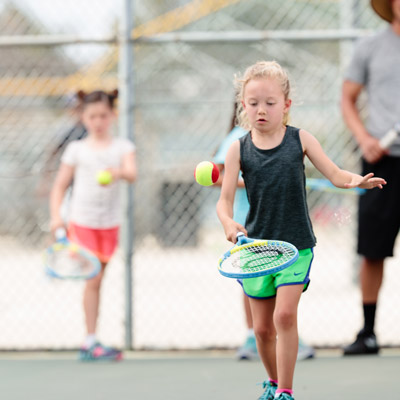
- Early Engagement: Encouraging participation from early childhood helps build a lifelong habit of physical activity, combating the sedentary trends often seen in the disability sector.
Recommendations for Success
To ensure that every child has the opportunity to excel on the court, we follow a set of strategic recommendations designed to lower barriers and increase participation:
- Instructor Training: Coaches should receive practical training specifically focused on disability and adaptive techniques.
- Family-Centered Choices: Program providers should consult directly with families to understand their preferred activity choices and specific needs.
- Financial Flexibility: Introducing subsidized payment options or flexible funding helps reduce the financial burden on parents and ensures the sport is accessible to people of all socioeconomic backgrounds.
- School Integration: Ensuring that physical education programs at school include meaningful adaptive tennis options is a key step in early exposure.
Policy and Community Growth
Creating a truly inclusive environment requires more than just a court; it requires a shift in societal attitudes and institutional partnerships.
Emotional Well-being: Beyond the physical benefits, the confidence gained from mastering a skill and being part of a sporting community provides significant mental health benefits for children with disabilities.
Sector Partnerships: Developing strong links between the sports sector, disability advocacy groups, and local government creates a support network for athletes.
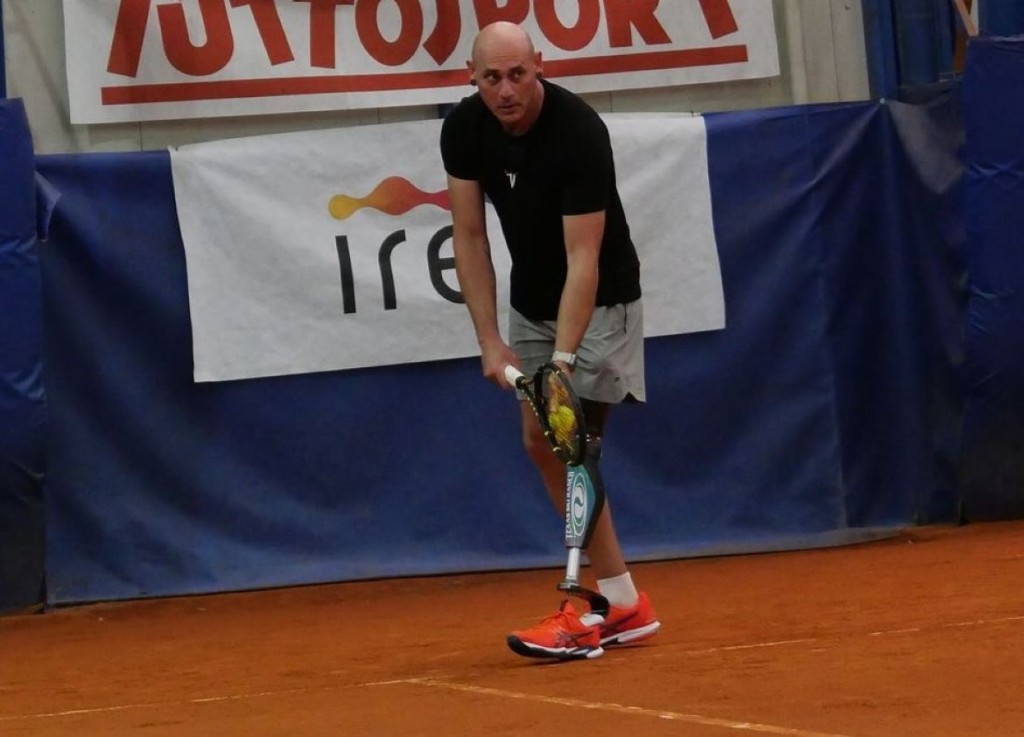
Visibility and Representation: Events like the Adaptive Nationals showcase the expanding adaptive community, proving that competitive excellence is possible for every athlete.
Direct Aid through Action
Whether it is through para-standing tennis or wheelchair programs, the goal is to ensure that no child is left on the sidelines. By adapting the game to the player, rather than the player to the game, we create a world where everyone has a chance to serve.