

How to Help Prevent Heart Disease At Any Age
Preventing heart disease and all cardiovascular conditions requires making smart choices today that will pay off for the rest of your life. While unhealthy habits can take their toll over the years, anyone at any age can take simple steps to maintain a healthy heart.
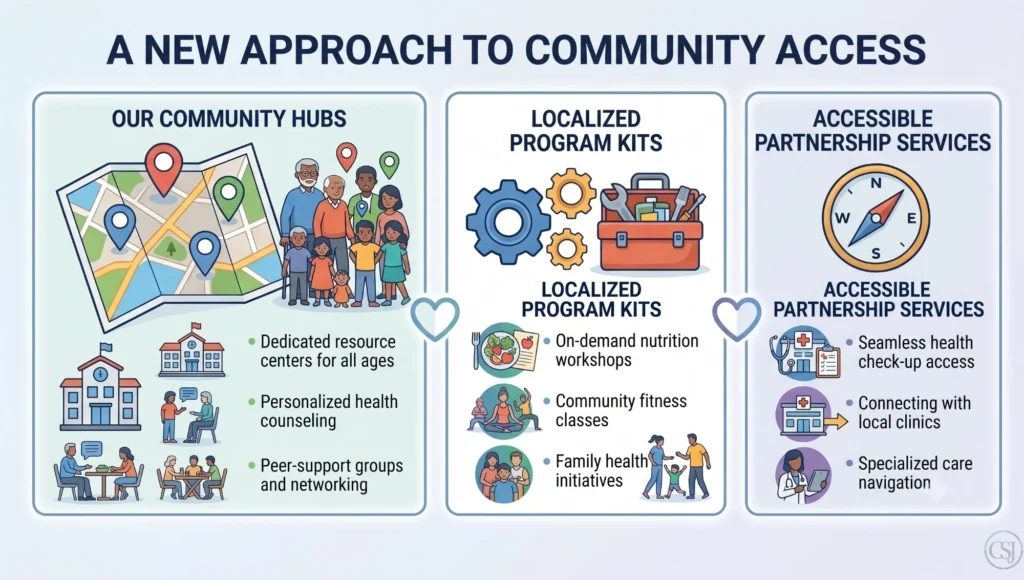
At the Cleveland S. Johnson Foundation, we believe that education is the most direct form of aid. Below is a decade-by-decade guide to specialized heart health and prevention.
Foundations for All Ages
No matter your age, everyone benefits from a healthy diet and consistent physical activity. This is the baseline for all cardiovascular wellness.
Smart Nutritional Choices: Prioritize fruits, vegetables, fiber-rich whole grains, and lean proteins like fish and nuts. Limit sodium, saturated fats, and sugar-sweetened beverages.
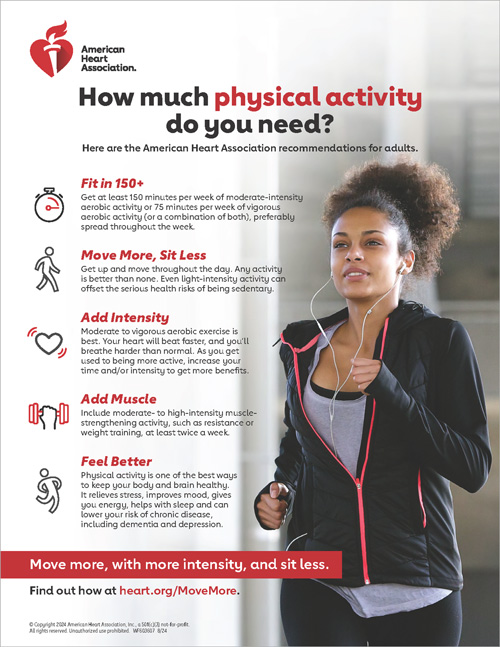
Active Living: Aim for at least 150 minutes of moderate aerobic activity or 75 minutes of vigorous activity weekly. Include muscle-strengthening exercises at least twice a week.
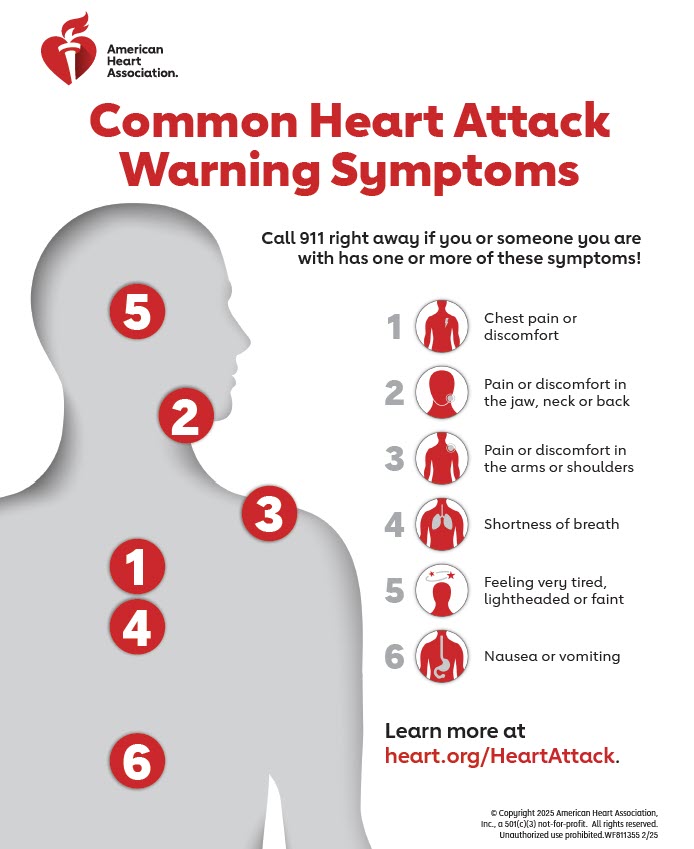
Symptom Awareness: Learn the warning signs of heart attack and stroke. Remember that symptoms can differ significantly between men and women.


Specialized Focus: Your 20s and 30s
Getting a head start early in life puts you far ahead of the curve. These decades are about establishing relationships with professionals and involving the family.
The 20s Strategy: Establish a relationship with a healthcare professional for regular wellness exams. Track your blood pressure, cholesterol, and BMI. If you smoke, quit now to avoid a 30% increase in heart disease risk.
The 30s Strategy: Make heart health a family affair by staying active with your children. Research your family history; having a relative with heart disease increases your risk. This is also the time to master stress-management techniques to protect your artery walls.
Proactive Management: Your 40s and 50s
Middle age often brings a slowing metabolism and increased risk factors like Type 2 diabetes. Monitoring becomes more critical during these years.
The 40s Strategy: Watch your weight as metabolism shifts and get a baseline fasting blood glucose test by age 45. Don’t ignore snoring; sleep apnea can contribute to high blood pressure and stroke.
The 50s Strategy: For women, menopause can bring new risk factors. For everyone, this is the decade to double down on a healthy diet and home-cooked meals. If you are diagnosed with a condition, follow your treatment plan and medication schedule strictly.
Longevity and Care: Your 60s and Beyond
With age comes an increased risk for heart disease as blood pressure and cholesterol naturally tend to rise. Managing these numbers is the key to living better and longer.
Weight Maintenance: Your body needs fewer calories now. Excess weight forces the heart to work harder, so focus on nutrient-rich, smaller portions.
Peripheral Artery Disease (PAD): Stay physically active to prevent or manage PAD, a condition where plaque builds up in the leg arteries.
Vigilance: Continue to monitor your numbers closely. Immediate medical intervention during a cardiac event can prevent serious disability and save your life.
Direct Aid through Action
The effort to reduce cardiovascular risk is always worth it, regardless of when you start. Involve your spouses, children, and grandchildren in these habits to create a legacy of health.